
In today’s dynamic business landscape, the convergence of artificial intelligence and automation has revolutionized operational efficiency and productivity.
This article delves into the transformative power of AI-powered automation sap malaysia e-invoice, exploring its evolution, benefits, and impact across various industries.
By examining current trends and future possibilities, readers will gain valuable insights on harnessing the potential of AI to drive innovation and streamline processes, ultimately paving the way for unprecedented advancements in the realm of automation.

Evolution of Automation With AI
One must acknowledge the significant advancements in automation that have been driven by the integration of AI technologies. The evolution of automation with AI has revolutionized industries, enhancing efficiency, productivity, and innovation.
AI-powered automation enables tasks to be executed with precision, speed, and accuracy, reducing human intervention and errors https://aspert.com.my/e-invoice/. This integration has streamlined processes, allowing businesses to focus on strategic decision-making and creativity.
By leveraging AI technologies, automation has transcended traditional boundaries, empowering individuals with more freedom to pursue complex endeavors and explore new frontiers. The synergy between automation and AI presents boundless opportunities for growth and development, shaping a future where human potential is augmented, not replaced, by technology.
The evolution of automation with AI signifies a paradigm shift towards a more liberated and empowered workforce.
Benefits of AI Integration
The integration of AI into automation presents numerous advantages that enhance operational efficiency and drive innovation in various industries. By leveraging AI technologies, businesses can streamline processes, increase productivity, and reduce human error.
AI integration allows for predictive maintenance, enabling companies to preemptively address equipment failures, thus minimizing downtime and maintenance costs. Moreover, AI-powered automation facilitates data analysis on a large scale, providing valuable insights that aid in making informed decisions quickly.
This integration also enhances customer experiences through personalized interactions and tailored services. Overall, the benefits of AI integration in automation are vast, offering organizations the opportunity to optimize operations, improve decision-making, and stay competitive in a rapidly evolving digital landscape.
Industries Transformed by AI
Industries across various sectors have undergone significant transformation through the integration of AI technology, revolutionizing processes and driving unprecedented efficiency.
The healthcare industry has embraced AI for enhanced diagnostics and personalized treatment plans. Retail has seen a shift with AI-powered inventory management and personalized shopping experiences. Financial institutions benefit from AI algorithms for fraud detection and risk assessment.
Manufacturing plants utilize AI for predictive maintenance and streamlined production processes. Additionally, the transportation sector has optimized routes and schedules with AI algorithms. AI has also impacted the customer service industry with chatbots and virtual assistants improving response times and customer satisfaction.
These examples highlight the diverse ways in which AI has transformed industries, paving the way for a more efficient and innovative future.
Implementing AI Solutions
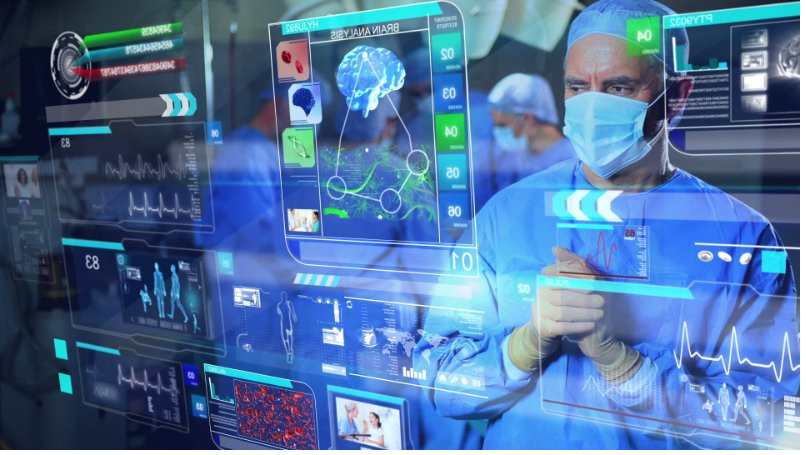
Incorporating AI solutions into operational frameworks has become a pivotal strategy for organizations aiming to enhance efficiency and productivity. To successfully implement AI solutions, organizations must first identify areas where automation can streamline processes and drive better outcomes. This involves assessing current workflows, data availability, and system compatibility.
Next, selecting the right AI tools and technologies tailored to the specific needs of the organization is crucial. Collaboration between IT experts, data scientists, and business stakeholders is essential for a smooth integration process. Additionally, ensuring data privacy and security measures are in place is paramount.
Continuous monitoring and evaluation of AI systems are vital to optimize performance and adapt to evolving business requirements, ensuring long-term success in leveraging AI technologies.
Future Trends in AI Automation
Advancements in AI automation are shaping the future landscape of organizational efficiency and productivity. One prominent trend is the increasing integration of AI with Internet of Things (IoT) devices. This fusion allows for real-time data processing and decision-making, leading to proactive maintenance and improved operational outcomes.
Another trend is the rise of explainable AI, which focuses on making AI systems more transparent and understandable to users. This shift ensures accountability and builds trust in AI technologies.
Additionally, AI automation is moving towards greater personalization through advanced algorithms that tailor experiences based on individual preferences. As these trends evolve, organizations can expect enhanced decision-making capabilities, streamlined processes, and a more user-centric approach to AI-powered automation.
Conclusion
In conclusion, the integration of AI in automation has significantly transformed various industries by improving efficiency and accuracy. As AI continues to evolve, the potential for further advancements and innovations is vast.
Implementing AI solutions has become essential for businesses to stay competitive in the rapidly changing landscape of technology. The future trends in AI automation are expected to revolutionize the way processes are carried out, leading to increased productivity and streamlined operations.