
In the world of pet care, the provision of treats serves as a delightful and beneficial way to nourish and bond with our beloved animal companions https://nourish.petuniverse.com/. This article explores the advantages of incorporating pet treats into your furry friend’s diet.
It outlines various types of treats available, offers guidance on selecting the most suitable options, provides homemade treat recipes, and imparts essential tips for responsibly indulging your pet.
Enhance your pet’s well-being and strengthen your bond through the art of treating.
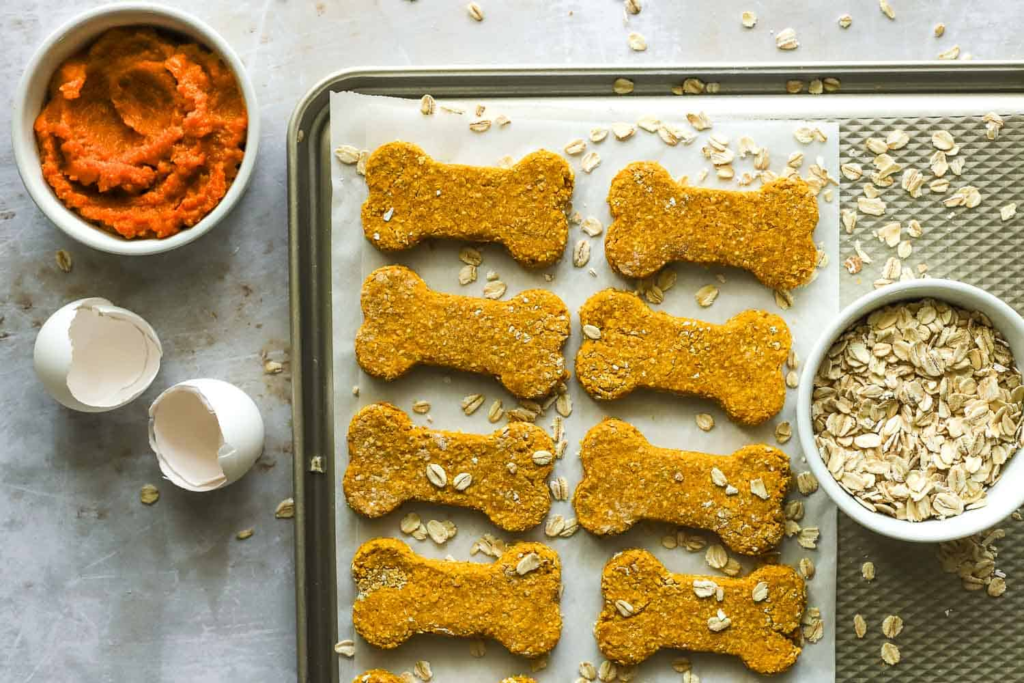
Benefits of Pet Treats
The inclusion of occasional high-quality pet treats in a balanced diet can provide essential nutrients and serve as a positive reinforcement tool for training. Pet treats are not only a source of joy for our furry companions but also offer various benefits beyond just being a tasty snack.
These treats can be a valuable addition to a pet’s diet by supplementing their nutritional intake with vitamins, minerals, and other essential nutrients that may be lacking in their regular meals. Additionally, using treats as a reward during training sessions can help reinforce positive behavior and facilitate the learning process. By associating good behavior with a tasty treat, pets are more motivated to follow commands and engage in desired activities.
It is important, however, to ensure that these treats are given in moderation, as excessive consumption can lead to health issues such as obesity. When used thoughtfully and as part of a well-rounded diet, high-quality pet treats can contribute to a happy and healthy life for our beloved animal companions.
Types of Pet Treats
Various types of pet treats are available in the market to cater to different dietary needs and preferences of pets. These treats can range from traditional options like biscuits and rawhide chews to more specialized choices such as freeze-dried meats, dental chews, and even organic treats. For pet owners looking to reward their furry companions with healthy options, there are treats made from high-quality ingredients like real meat, fruits, and vegetables. These natural treats are free from artificial additives and provide a nutritious snacking alternative for pets with dietary sensitivities or allergies.
Moreover, there are also functional treats designed to serve specific purposes, such as joint health, dental care, or weight management. These treats often contain added supplements like glucosamine, omega-3 fatty acids, or enzymes to support various aspects of pet health. Additionally, for pet owners who prefer interactive feeding, treat-dispensing toys offer a fun and engaging way to provide treats while keeping pets mentally stimulated. With the wide variety of pet treats available, there is something suitable for every pet’s taste and dietary requirements.
Choosing the Right Treats
Transitioning from the various types of pet treats available in the market, pet owners should carefully consider their pet’s dietary needs and preferences when choosing the right treats. It is crucial to select treats that not only cater to your pet’s taste buds but also contribute to their overall health and well-being. When deciding on treats, look for options that are nutritionally balanced and made from high-quality ingredients. Be mindful of any dietary restrictions or allergies your pet may have, opting for treats that are suitable for their specific requirements.
Additionally, consider the size and texture of the treats. Treats should be appropriately sized for your pet to prevent choking hazards and aid in digestion. The texture of the treat should also be suitable for your pet’s age and dental health. For example, older pets or those with dental issues may benefit from softer treats that are easier to chew.
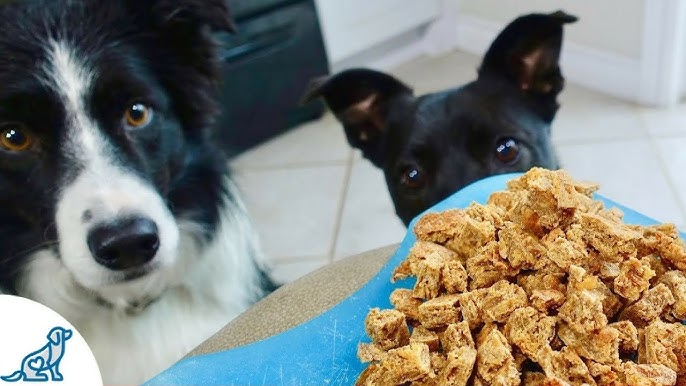
Homemade Treat Recipes
When preparing homemade treats for your pet, consider incorporating simple and nutritious ingredients that align with their dietary requirements and taste preferences. By making treats at home, you have the freedom to control what goes into your pet’s snacks, ensuring they are free from any unwanted additives or fillers.
Here are a few easy and healthy homemade treat recipes to pamper your furry friend:
- Peanut Butter Banana Bites: Combine mashed bananas with peanut butter, spread the mixture onto a baking sheet, and cut into bite-sized pieces before baking for a tasty treat.
- Sweet Potato Chews: Slice sweet potatoes into thin strips, bake until crispy, and let them cool for a chewy snack rich in vitamins and fiber.
- Salmon Jerky: Slice fresh salmon into thin strips, bake until dried, and watch your pet enjoy the omega-3-packed goodness.
Tips for Treating Your Pet
For optimal pet treat giving, prioritize moderation and variety in your approach to maintaining their health and happiness. Treats should complement your pet’s balanced diet, not replace it entirely. Moderation is key to prevent obesity and other health issues. Be mindful of the size and frequency of treats given, adjusting based on your pet’s size, activity level, and dietary needs.
Variety in treats can help prevent boredom and ensure your pet receives a range of nutrients. Experiment with different types of treats such as crunchy biscuits, chewy treats, or even fresh fruits and vegetables that are safe for your pet to consume. Rotate treats to keep things interesting and prevent picky eating habits.
Consider using treats as rewards for good behavior or as a tool for training. Positive reinforcement can strengthen your bond with your pet and encourage desired behaviors. Remember to factor in treats when calculating your pet’s daily caloric intake to prevent overfeeding. By prioritizing moderation and variety in treating your pet, you can contribute to their overall well-being and happiness.
Conclusion
In conclusion, pet treats offer various benefits for pets, including rewards for good behavior and additional nutrients. There are different types of treats available, so it is important to choose ones that are appropriate for your pet’s dietary needs.
Homemade treat recipes provide a healthier alternative to store-bought treats. When treating your pet, remember to do so in moderation and consider the ingredients to ensure their overall well-being.