In a landscape where educational support plays a pivotal role in academic success, the decision to select a Chinese tuition center in Singapore warrants thoughtful consideration chinese enrichment class. Beyond just the location and curriculum, the expertise of instructors and the personalized attention students receive can significantly impact their learning journey. However, there is a hidden element often overlooked but crucial in determining the effectiveness of a tuition center. This aspect can make or break the student’s experience and progress, making it imperative for parents and students alike to be discerning in their choice.
Location and Accessibility
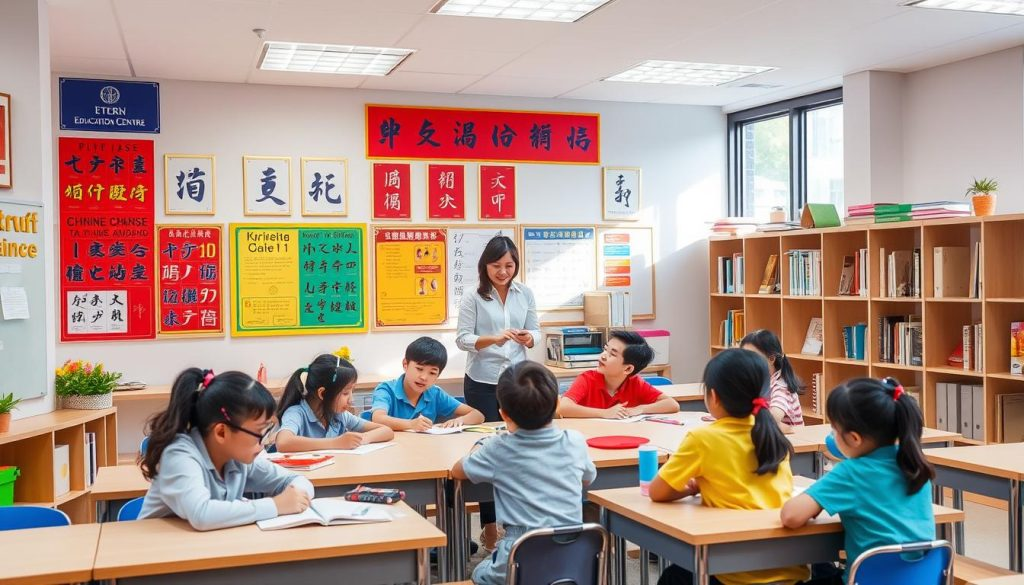
When selecting a Chinese tuition center in Singapore, the first crucial consideration is the location and accessibility of the center. The convenience of the center’s location plays a significant role in ensuring that students can attend classes regularly without facing transportation issues. Ideally, the tuition center should be situated in a central area or easily accessible location yanzi mandarin, making it convenient for students to travel to and from their homes or schools.
Accessibility also encompasses other factors such as public transportation options, parking facilities, and overall ease of reaching the center. A centrally located tuition center with ample parking space or close proximity to bus stops or train stations can make a significant difference in the overall experience for both students and parents.
Moreover, a well-connected location can save time and effort, allowing students to focus more on their Chinese language learning journey. Therefore, when choosing a Chinese tuition center, considering the location and accessibility is paramount for a smooth and hassle-free educational experience.
Teaching Methodologies and Curriculum
When selecting a Chinese tuition center in Singapore, it is crucial to consider the teaching methodologies employed and the structure of the curriculum offered.
The teaching techniques used can greatly impact a student’s learning experience and effectiveness, while a well-designed curriculum ensures comprehensive coverage of essential topics.
Evaluating these aspects can help in determining the suitability of a tuition center for your child’s academic needs.
Teaching Techniques Overview
Exploring the teaching methodologies and curriculum of a Chinese tuition center in Singapore reveals the foundation upon which students’ language proficiency is built. Effective teaching techniques should encompass a variety of approaches to cater to different learning styles and needs.
Some centers may focus on traditional methods like rote learning and grammar drills, while others may adopt more interactive and communicative approaches such as role-playing, multimedia resources, and real-life scenarios. A balanced combination of these techniques can enhance students’ language acquisition, retention, and application.
Furthermore, a well-structured curriculum that integrates language skills development, cultural aspects, and exam preparation is essential for comprehensive learning outcomes. By understanding the teaching techniques employed, parents and students can make informed decisions when choosing a Chinese tuition center.
Curriculum Design Analysis
Upon delving into the curriculum design of a Chinese tuition center in Singapore, one can gain valuable insights into the structured approach that shapes students’ language learning journey. A well-designed curriculum should align with the students’ proficiency levels, incorporate interactive activities, and integrate real-life applications of the language.
The center’s curriculum should encompass all essential aspects of language learning, including listening, speaking, reading, and writing, while also focusing on Chinese cultural nuances to provide a holistic learning experience. Additionally, an effective curriculum design should be flexible to adapt to students’ learning pace and preferences, offering personalized learning paths to cater to individual needs.
Qualification and Experience of Instructors
The qualifications and experience of the instructors at a Chinese tuition center in Singapore play a crucial role in determining the quality of education provided to students. When choosing a tuition center, it is essential to consider the credentials of the instructors. Ideally, instructors should possess relevant educational qualifications in Chinese language or literature, such as a degree in Chinese Studies or a teaching certification in Mandarin. Furthermore, experience in teaching Chinese as a second language can greatly benefit students, as it demonstrates the instructor’s proficiency in catering to non-native speakers.
Moreover, instructors with a deep understanding of the Chinese language and culture can provide students with valuable insights beyond the curriculum. Their ability to incorporate real-life examples, cultural nuances, and historical context into lessons can enhance students’ learning experience and foster a holistic understanding of the language. Therefore, it is advisable to inquire about the instructors’ backgrounds, teaching methods, and track record of success when selecting a Chinese tuition center in Singapore.
Class Size and Student-Teacher Ratio
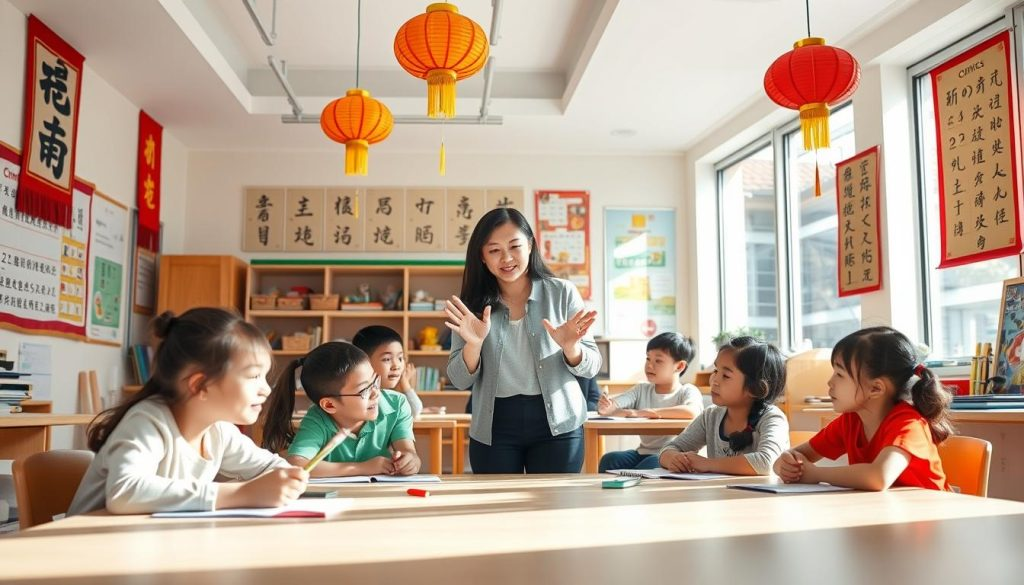
When considering a Chinese tuition center in Singapore, it is essential to evaluate the class size and student-teacher ratio.
Optimal class sizes ensure that each student receives sufficient individualized attention, facilitating a more effective learning experience.
Moreover, smaller class sizes often allow for more personalized and tailored teaching methods to cater to the diverse needs of students.
Optimal Class Sizes
What is the ideal class size and student-teacher ratio for a Chinese tuition center in Singapore to optimize learning outcomes efficiently and effectively?
The optimal class size for a Chinese tuition center in Singapore is typically small, ranging from 5 to 10 students per class. This size allows for personalized attention, participation, and interaction among students and teachers. A smaller class size enables teachers to address individual learning needs, provide feedback, and engage students effectively.
Additionally, a lower student-teacher ratio, ideally between 1:5 to 1:10, ensures that each student receives adequate support and guidance. By maintaining small class sizes and a favorable student-teacher ratio, Chinese tuition centers can create a conducive learning environment that maximizes student progress and academic success.
Individualized Attention
To optimize learning outcomes efficiently and effectively at a Chinese tuition center in Singapore, maintaining small class sizes ranging from 5 to 10 students per class is imperative.
This small class size allows for individualized attention, fostering a conducive environment for personalized interactions between students and teachers. With fewer students in a class, teachers can better cater to the specific needs and learning styles of each student.
A lower student-teacher ratio also means that educators can provide more focused guidance, feedback, and support to help students excel in their Chinese language studies. Ultimately, this individualized attention helps students progress at their own pace and achieve better academic results, making it a crucial factor to consider when choosing a Chinese tuition center in Singapore.
Effective Teaching Methods
Maintaining an optimal class size and student-teacher ratio is fundamental in determining the effectiveness of teaching methods employed at a Chinese tuition center in Singapore. An ideal class size allows teachers to provide individualized attention, cater to students’ learning needs, and foster active participation.
A smaller class ensures that each student receives adequate support and guidance, facilitating better understanding and retention of Chinese language concepts. Similarly, an appropriate student-teacher ratio enables educators to personalize teaching approaches, offer timely feedback, and address students’ challenges promptly.
Student Progress Monitoring and Feedback
Effective assessment strategies are crucial for evaluating student progress and providing valuable feedback in a Chinese tuition center in Singapore. Regular assessments allow teachers to track each student’s development, identify areas of improvement, and tailor their teaching methods accordingly. These assessments can take various forms, such as quizzes, tests, presentations, or even informal discussions. By analyzing the results of these assessments, educators can gain insights into individual learning needs and adjust their lesson plans to better support their students.
Feedback is an essential component of the learning process in a Chinese tuition center. Constructive feedback helps students understand their strengths and weaknesses, motivates them to improve, and fosters a growth mindset. Teachers should provide specific and actionable feedback that highlights areas for improvement while also acknowledging achievements. Additionally, feedback should be timely to ensure that students can apply it to their learning promptly. A supportive feedback culture in a tuition center encourages students to take ownership of their learning journey and strive for continuous improvement.
Additional Resources and Support
A diverse range of supplementary materials and personalized support services play a crucial role in enhancing the learning experience of students at a Chinese tuition center in Singapore. These additional resources can include practice worksheets, vocabulary lists, online learning platforms, and educational games tailored to reinforce key concepts covered in classes. Such materials not only help students practice and retain what they have learned but also cater to different learning styles, making the educational experience more engaging and effective.
Moreover, personalized support services offered at Chinese tuition centers can include one-on-one consultations with teachers, additional study sessions, progress tracking, and feedback on areas that need improvement. This individualized attention allows students to address their specific weaknesses and receive guidance on how to overcome them, fostering a deeper understanding of the Chinese language.
Conclusion
In conclusion, when selecting a Chinese tuition center in Singapore, factors such as location, teaching methodologies, instructor qualifications, class size, student progress monitoring, and additional resources must be carefully considered.
These elements play a crucial role in ensuring a conducive learning environment and supporting students in their academic growth.
By prioritizing these aspects, students can receive personalized support and guidance to enhance their Chinese language proficiency effectively.